The brief that came from a venue that already knew what it was doing
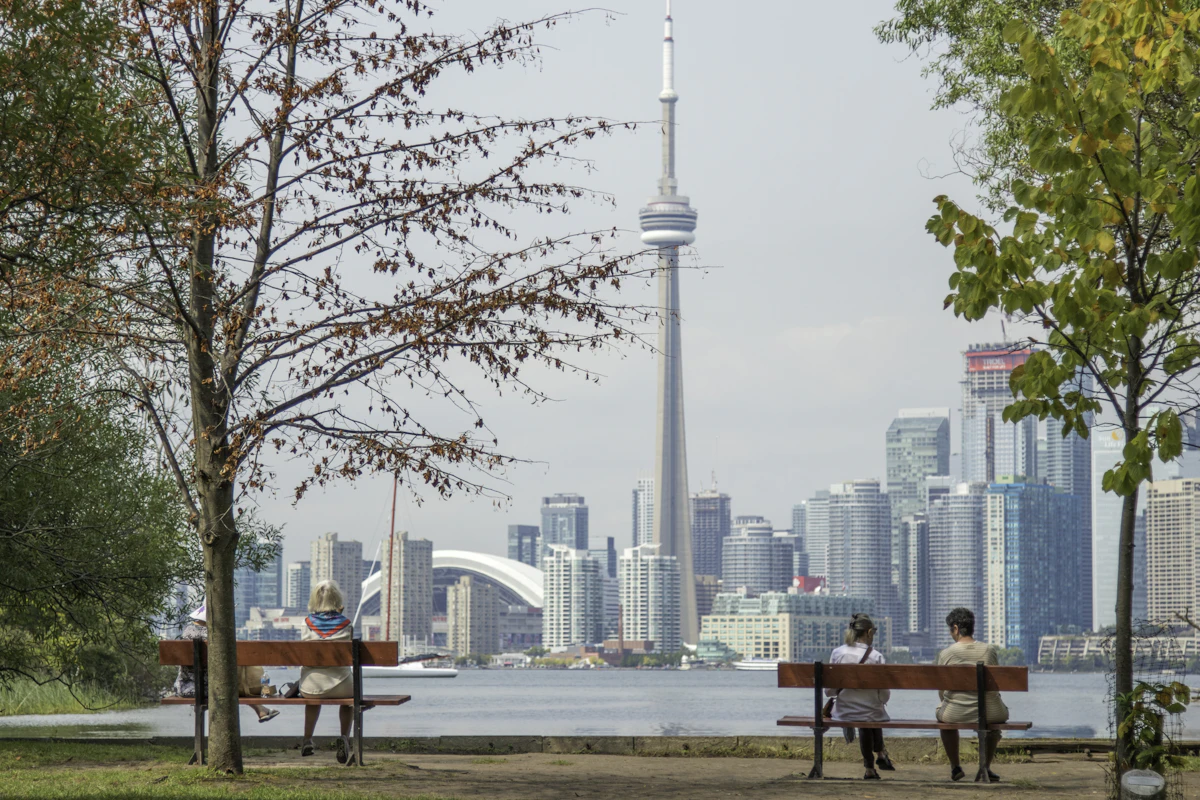
Scotiabank Arena is not a venue that needs to learn how to run a major event. It is the home of the Toronto Raptors, the Toronto Maple Leafs and a Canadian flagship for the major touring acts. The arena IT operation runs sophisticated workflows every night the venue is busy, which is most nights.
The NBA preseason engagement was therefore not a "build event IT from scratch" project. It was a network refresh in the run-up to a high-profile international broadcast window, with specific NBA technical operations requirements layered on top of the existing arena operation. Our role from the Toronto office was to deliver the refresh, integrate the NBA technical standards into the venue's existing operating model, and stand alongside the arena team during the event window.
This is the operational story behind a five-night engagement that ran cleanly. Where it is interesting is in the integration with a mature venue, not in the headline numbers.
What the NBA preseason engagement actually involves
NBA preseason games delivered outside North America follow a specific operational template. The NBA technical operations team arrives with a documented standards envelope: network segmentation expectations, broadcast LAN topology requirements, timing-system integration specifications, statistics traffic handling, and the league-office data exchange that runs in parallel.
The standards envelope is not negotiable. The venue's job is to configure the existing infrastructure (or supplement it where needed) to satisfy the line-by-line requirements. The host broadcaster's production crew runs their stack on top of the venue's broadcast LAN, the NBA technical operations team validates the integration through the build week, and the league-office NOC in New York stays connected to the venue NOC across the event window.
For Scotiabank Arena, the existing infrastructure was strong enough that the refresh was a focused intervention rather than a rebuild. The work focused on three specific layers.
Layer one: WiFi 6E refresh for the bowl and back-of-house
Scotiabank Arena had a WiFi 6 estate that served the venue well for general operations. The NBA broadcast crew and international press contingent operate at substantially higher device density than typical NHL or concert workloads, and the WiFi 6E refresh was about absorbing that load cleanly rather than upgrading the base venue operation.
We added approximately 80 HPE Aruba AP-635 WiFi 6E access points across the broadcast positions, press centre, NBA technical operations work area, hospitality and the league-office uplink zone. The 6 GHz spectrum gave the broadcast and press devices clean radio space separate from the existing 5 GHz and 2.4 GHz that the venue continued to operate on. The refresh deployed in three working days during the venue's dark window.
Layer two: broadcast LAN to NBA technical-operations standard
The venue's permanent broadcast LAN is engineered for hockey and concert workflows. The NBA technical operations standard is similar in shape and tighter in specific dimensions, multicast handling, PTP grandmaster sources, latency budget engineering and IGMP behaviour all need to match the NBA reference rather than the existing arena reference.
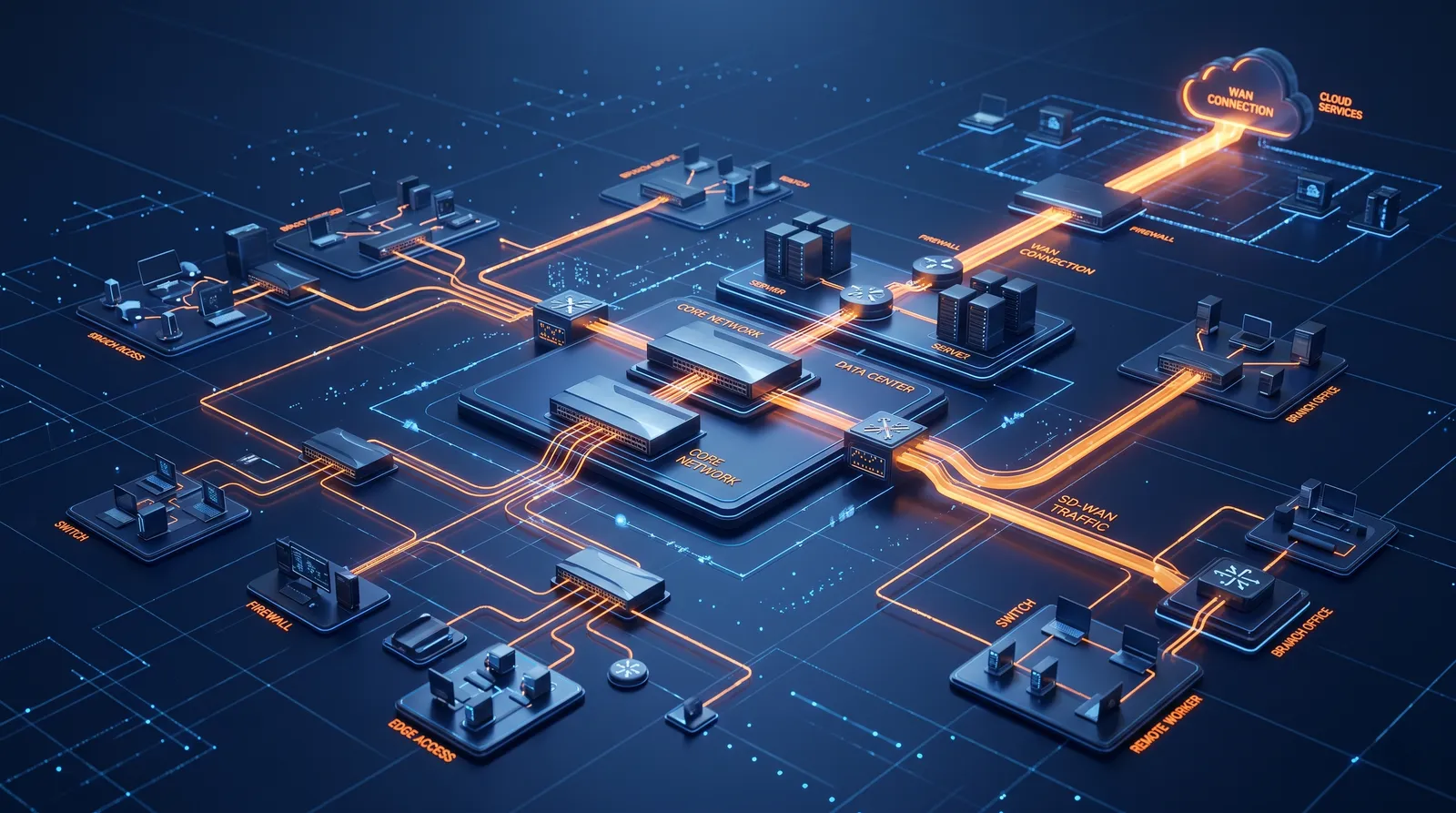
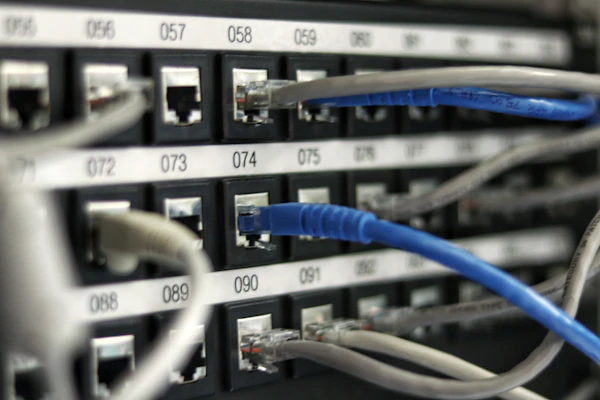
We deployed a parallel broadcast LAN segment for the NBA games, Cisco Catalyst 9500-series switches in a dedicated zone, physically segmented from the venue's permanent broadcast plant, configured to the NBA standards document and validated against the NBA technical operations team's checklist before the broadcast crew arrived on site.
The integration was checked against the standards document on a Thursday, signed off by the NBA technical operations lead Friday morning, and ready for the broadcast crew when they walked in Friday afternoon. The cadence worked because the venue had reserved the right infrastructure access for the integration window.
Layer three: league-office integration and timing-system handshake
The NBA games run on continuous, two-way data exchange between the venue and the league office in New York. Statistics, video review, replay support, officiating data and post-game ingestion all run across that connection. The venue infrastructure needs to provide reliable, low-latency, secure transit for that traffic across the full event window.
For Scotiabank Arena the league-office uplink was provisioned over a dedicated path from the venue's carrier handoff to the NBA-specified endpoint, with redundancy and the latency profile the league expects. The timing system (scoreboard, game clock, shot clock, foul indicators, statistics positions) integrated with the NBA technical operations stack on a separate workstream, with the time-source synchronisation tested against the NBA reference clock.
Neither workstream is technically difficult. Both require attention to detail and a working relationship with the NBA technical operations team. Both went through dress rehearsal at T-minus 24 hours before the first game.
The numbers
Two NBA preseason games over five days including build, rehearsal and broadcast. Over 20,000 fans per game in the Scotiabank Arena bowl plus broadcast crew, NBA technical operations, statistics positions, press contingent and back-of-house headcount.
Live broadcast distribution to 150-plus countries through the NBA international rights-holder network. Peak concurrent device count north of 25,000 across an event night once the broadcast and press contingents were factored in. Zero broadcast-impacting incidents during either game. Zero timing-system or statistics-feed failures during live game time. A handful of low-severity findings during the build and rehearsal cycle, every one of them inside the SLA window for resolution.
What worked
Three operational decisions made the engagement straightforward despite the compressed timeline.
Working with the venue's permanent IT operation rather than around it. The arena team knows their venue better than we do. Treating the engagement as a collaboration with the arena IT director rather than as an independent build saved substantial integration time and produced cleaner handoffs at the boundary between the NBA-specific scope and the venue's permanent operation.
NBA technical operations integration on a continuous engagement, not a transactional one. The NBA team arrives with strong technical capability and a clear standards document. Working alongside them through the build week, with daily walkthroughs and the standards-document checklist running live, produced a clean sign-off by Friday morning. Trying to integrate the NBA scope on the final day would have produced a different result.
Pre-staging the refresh kit during the venue's dark week. The WiFi 6E and broadcast LAN refresh happened during the days the arena was not running events. Kit was pre-configured at the warehouse, install crews worked against the unoccupied venue, and the validation cycle had clean RF and clean broadcast plant to test against. By the time the venue switched into pre-event mode, the refresh was already validated.
What we would do differently
Two things, against the next equivalent engagement.
Push the league-office uplink commissioning earlier in the calendar. The uplink was provisioned on time but the carrier-side timeline left less margin than ideal. Earlier engagement with the carrier and the NBA league-office network team would have produced more comfortable headroom.
Add a dedicated cross-border IT liaison for events like this where the venue is in one country and the league office is in another. The communication between Toronto and New York during the build week was effective but informal; a named bilateral liaison would have removed friction at two or three specific decision points.
The broader pattern
This engagement is part of our broader event-IT portfolio that includes the four NBA Abu Dhabi Games editions (2022-2025), the FIFA Club World Cup in the UAE, UFC events in the UAE (2020-2025) and the Coldplay World Tour residency at Zayed Sports City. Each engagement runs against the same operating model: pre-staging, named teams, documented runbooks, broadcast handshake discipline and the recurring-engagement maturity that compounds across editions.
For the Toronto NBA work specifically, the engagement worked because the venue already operated at a high standard and the integration was tight rather than a rebuild. For new venues or first-time international NBA events, the lead time is longer because the venue operation has to be elevated to NBA standards first. Both patterns are real; the right one depends on where the venue starts.
Bottom line
A mature venue, a clear standards envelope from the visiting league, a working collaboration between the venue's permanent IT operation and our refresh team, and pre-staging during the dark week. Five components, none individually heroic, collectively the reason the NBA preseason games at Scotiabank Arena ran cleanly across two game nights and a global broadcast window.